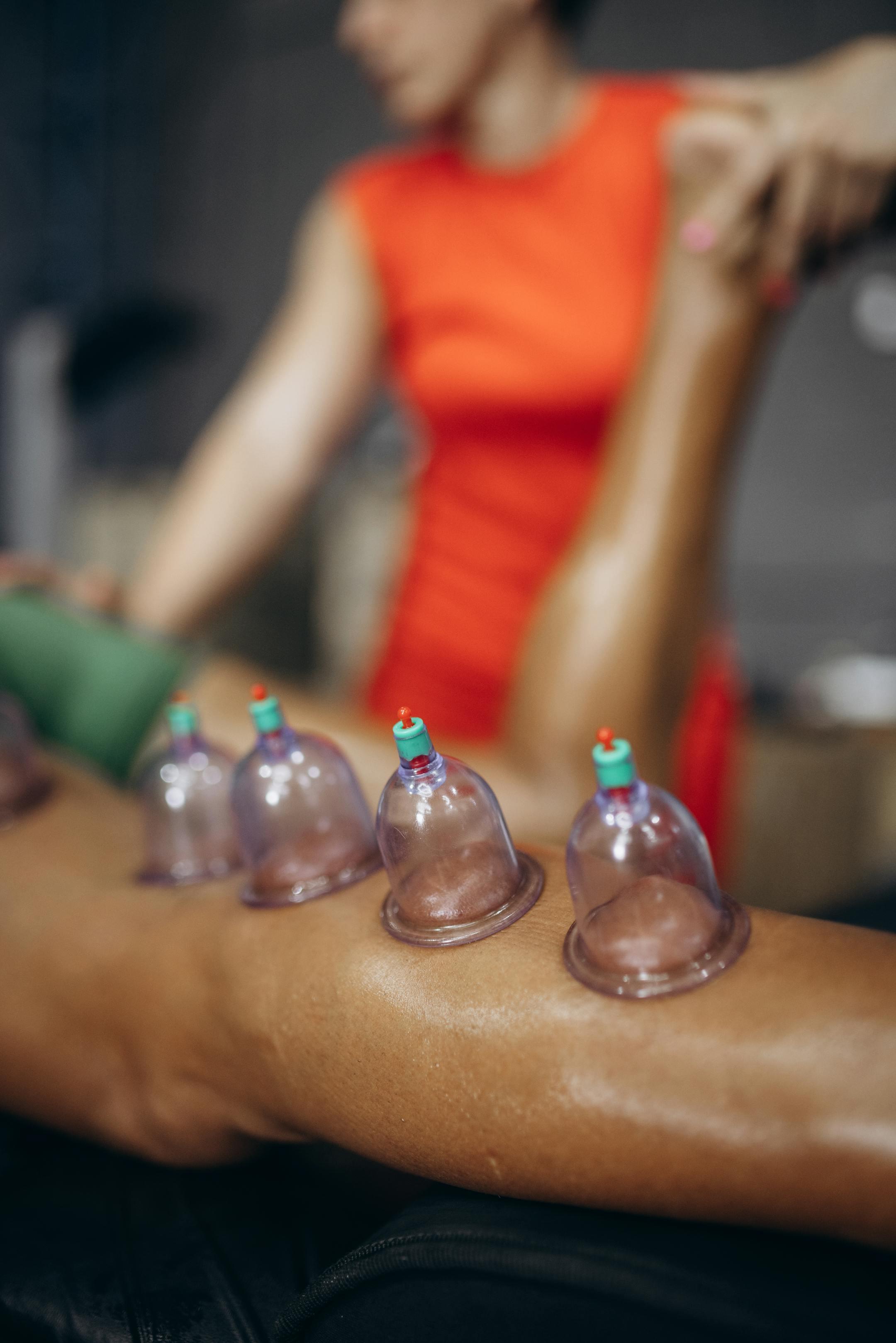
Cupping therapy is a manual bodywork technique that uses gentle suction to lift and decompress soft tissues. Unlike techniques that rely on compression alone, cupping works by creating space within the tissues, helping to improve circulation and reduce areas of stagnation or restriction.
By gently lifting the skin and underlying fascia, cupping therapy supports blood flow, lymphatic movement, and tissue mobility. This approach can help address areas of muscular tightness, limited movement, or repetitive strain.
Cupping may be performed as static placement or with controlled gliding movements, depending on the area being addressed and the goals of the session. The technique is always applied thoughtfully and adjusted to individual tolerance.
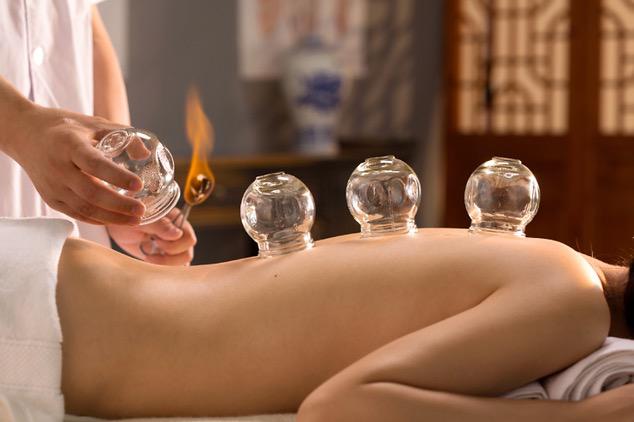
Cupping therapy helps create internal conditions that support tissue recovery, movement, and circulation.
This therapy may support:
Rather than forcing tissue change, cupping therapy works with the body’s natural response to decompression, allowing tissues to soften and adapt over time.
Cupping therapy sessions are calm, focused, and therapeutic. Cups are applied to specific areas of the body using controlled suction, which may be static or gently moved along the tissue.
Sensation can range from mild pressure to a deeper pulling feeling, depending on the area and technique used. While the experience may feel different from traditional massage, it is typically well tolerated and adjusted to comfort.
Temporary circular marks may appear on the skin following cupping. These marks are not bruises and usually fade within several days. They are a normal response to increased circulation in the treated area.
Cupping is often integrated into a broader bodywork session and tailored to your body’s needs and wellness goals.
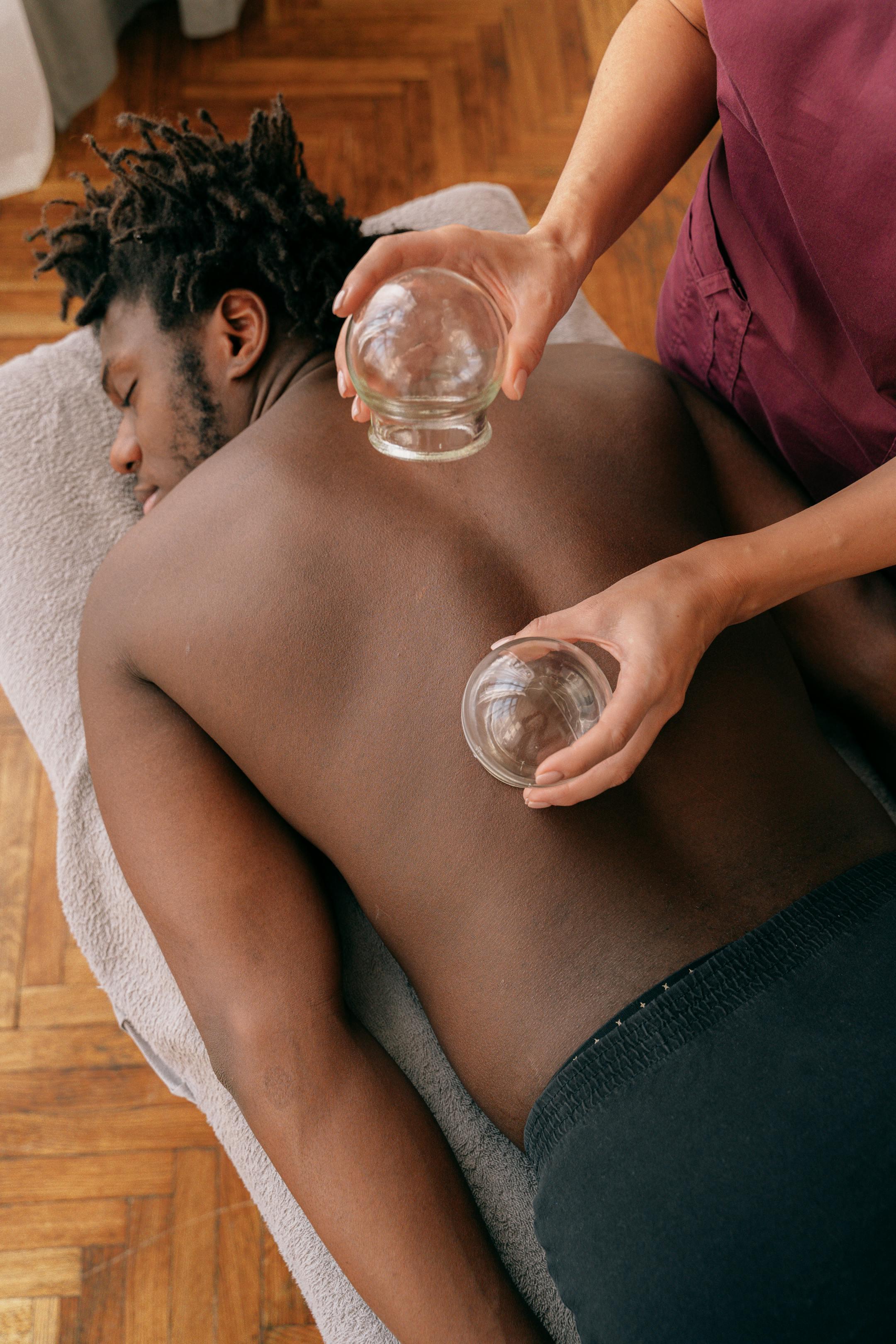
This approach may be a good fit if you:
Cupping therapy offers a targeted, supportive way to help the body release tension and restore balance.
Stay updated on our promotions, news, and events! Sign up to receive our newsletter.